Sudan Army Leadership Restructuring Announced
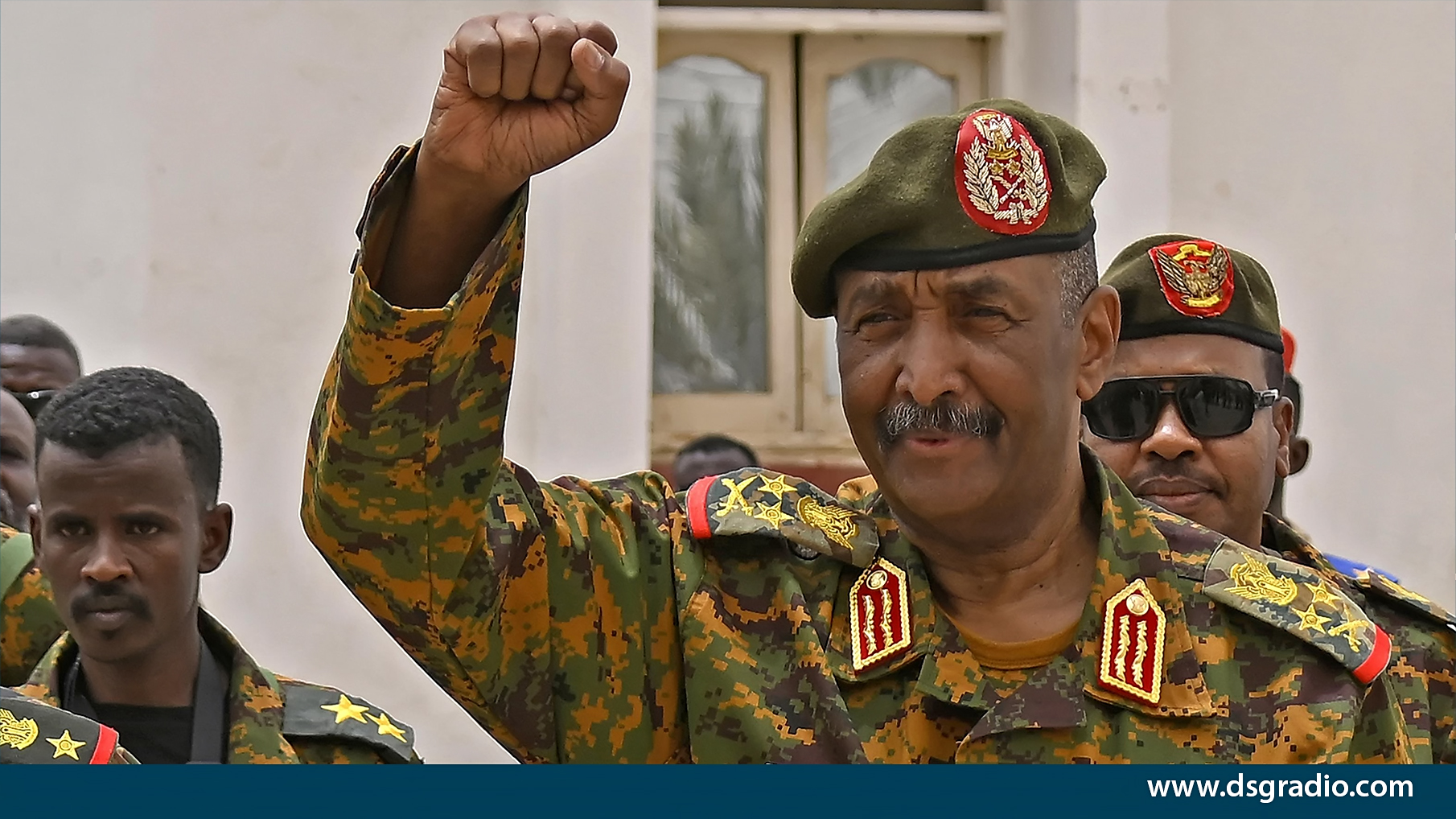
Sudan army leadership restructuring took a decisive turn on Monday as Sudan’s Sovereign Council Chairperson, Abdel Fattah al-Burhan, issued a decree abolishing key army leadership positions in Sudan. The move eliminates the roles of deputy commander-in-chief and assistant commanders, reversing a 2023 military resolution. The decision comes amid the ongoing war between the Sudanese Armed Forces and the Rapid Support Forces (RSF), which began in April 2023.
Burhan Abolishes Key Military Posts
According to a military statement, al-Burhan ordered the removal of the positions of:
- Deputy Commander-in-Chief
- Assistant Commanders of the Sudanese Army
The decision nullifies Resolution No. 164 of 2023, which had created those positions.
As reported by and further confirmed by the original report on TRT Afrika, the affected officers will remain part of the Armed Forces Command Authority, though their exact roles have not been clarified.
Officials Affected by the Decree
The abolished positions directly impact three senior military figures:
- Shams al-Din Kabbashi – Deputy Commander-in-Chief
- Yasser al-Atta – Assistant Commander
- Ibrahim Jaber – Assistant Commander
These individuals were appointed on May 19, 2023, following the outbreak of conflict.
All three officials have also served as members of Sudan’s Sovereign Council since August 2019, representing the military wing of the transitional government.
Details such as their current operational responsibilities remain unclear, as the military statement did not provide further clarification.
Recent Leadership Shake-Up in the Sudanese Army
The Sudan army leadership restructuring follows a broader series of changes within the military hierarchy.
Notably:
- Chief of Staff Mohamed al-Hussein was recently dismissed and referred to retirement.
- Yasser al-Atta was subsequently appointed as his successor.
This sequence of decisions suggests a consolidation of authority within Sudan’s military leadership under al-Burhan.
According to officials, the restructuring is part of efforts to streamline command during an ongoing national crisis.
Context: Sudan’s Ongoing Conflict
The military changes come against the backdrop of Sudan’s prolonged and devastating conflict between:
- The Sudanese Armed Forces (SAF), led by Abdel Fattah al-Burhan
- The Rapid Support Forces (RSF)
The conflict erupted in April 2023 and has since:
- Killed thousands of people
- Displaced millions across Sudan
- Triggered a major humanitarian crisis
International organisations, including the United Nations, have repeatedly warned of worsening conditions, including food insecurity and civilian casualties.
Why the Sudan Army Leadership Restructuring Matters
Analysts suggest the Sudan army leadership restructuring could have several implications:
1. Centralisation of Power
By eliminating multiple senior roles, al-Burhan may be consolidating decision-making authority within a tighter command structure.
2. Strategic Military Coordination
A streamlined leadership could improve coordination in the ongoing conflict with RSF forces.
3. Political Significance
Given that the affected officers also serve on the Sovereign Council, the move may reshape Sudan’s political-military balance.
Official Position and Unanswered Questions
While the military has confirmed the structural changes, several key details remain unclear:
- The exact responsibilities of the affected officers moving forward
- Whether this signals further military or political restructuring
- How will this decision impact ongoing peace negotiations or military operations
As of now, officials have not provided additional clarification.
“This could not be independently verified” beyond the official military statement, as no detailed breakdown of the restructuring has been released by independent sources.
Regional and Global Reactions
As of the time of reporting, there has been limited international reaction to the announcement.
However, Sudan’s internal developments continue to draw attention from:
- African Union (AU)
- United Nations (UN)
- Regional political observers
Given the scale of Sudan’s conflict, any shift in military leadership is likely to have broader regional implications.
Conclusion
The Sudan army leadership restructuring marks a significant shift in the country’s military hierarchy, as Abdel Fattah al-Burhan abolishes key leadership roles created less than a year ago. Coming amid an ongoing war with the RSF, the move underscores efforts to redefine command authority amid instability.
While officials present the decision as administrative, its broader implications—military, political, and strategic—remain closely watched.
About the Author