Tinubu N3.3 Trillion Power Sector Debt Repayment Begins
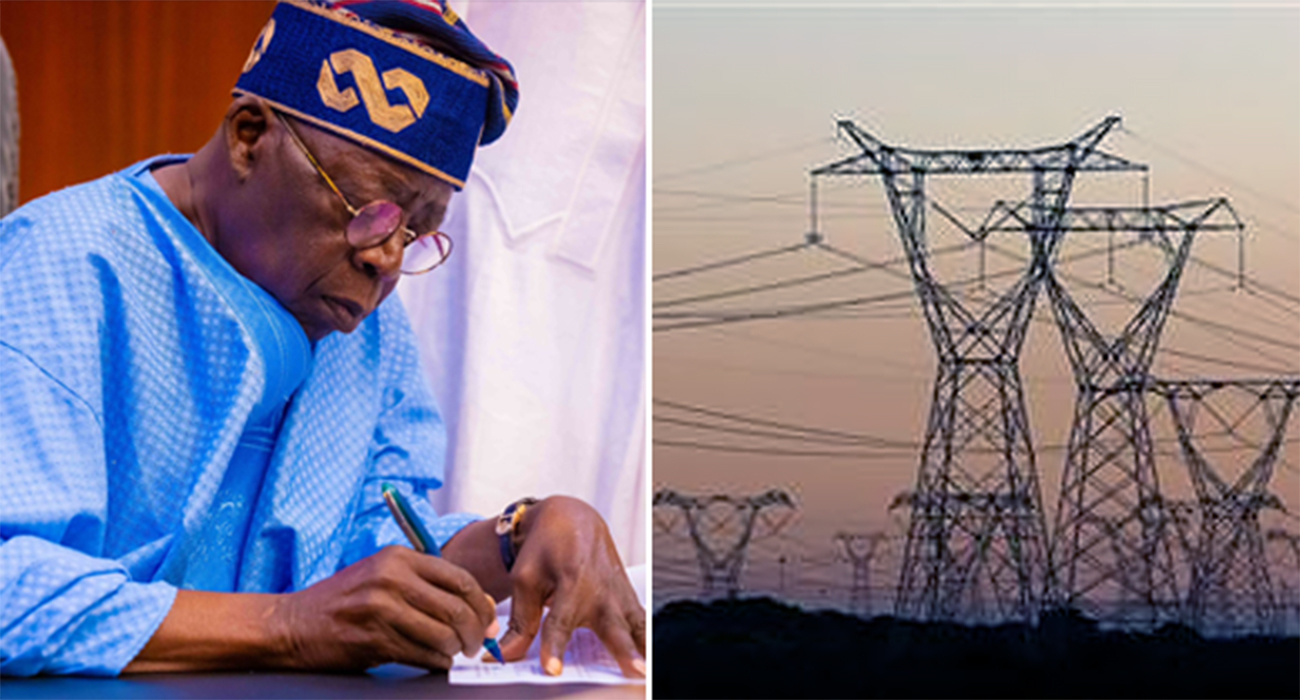
President Bola Ahmed Tinubu of Nigeria has approved a ₦3.3 trillion payment plan to settle longstanding electricity sector debts. This move aims to resolve the persistent liquidity crisis affecting power generation and supply nationwide.
The approval was announced in Abuja, Federal Capital Territory (FCT), Nigeria.Bayo Onanuga, Special Adviser to the President on Information and Strategy, issued the statement. This follows a final verification of debts accumulated between February 2015 and March 2025, under the Presidential Power Sector Financial Reforms Programme.
According to the statement, implementation has already begun. Fifteen power generation companies (GenCos—companies that produce electricity for the power grid) have signed agreements worth ₦2.3 trillion. Meanwhile,₦223 billion has been disbursed from an initial ₦501 billion raised by the Federal Government.
Tinubu N3.3 Trillion Power Sector Debt Repayment Targets Liquidity Crisis
The Tinubu N3.3 trillion power sector debt repayment plan is designed to address a deep-rooted liquidity crisis that has plagued Nigeria’s electricity value chain for over a decade.
Under Nigeria’s current power market structure:
- Generation Companies (GenCos) produce electricity.
- Nigerian Bulk Electricity Trading Plc (NBET) purchases power.
- Distribution Companies (DisCos) supply electricity to consumers
However, systemic inefficiencies have weakened the system:
- DisCos recover only 60–70% of billed revenue.
- Energy theft and poor metering persist.
- Tariffs remain non-cost-reflective
These challenges have created a massive funding gap, leaving NBET unable to fully pay GenCos.
According to industry data cited in the report, total debts owed to GenCos have risen from approximately ₦6 trillion to ₦7 trillion, depending on estimates.
Gas Supply Disruptions and Power Shortages
The liquidity crisis has triggered widespread disruptions throughout the sector.
Dr Joy Ogaji, Chief Executive Officer of the Association of Power Generation Companies, disclosed that gas suppliers had halted supply to thermal plants due to unpaid debts estimated at ₦3.3 trillion.
Thermal plants account for the majority of Nigeria’s electricity generation, making gas supply critical.
As a result:
- Power generation has dropped.
- Grid instability has worsened.
- Nationwide outages have increased.
Nigeria’s installed capacity is about 13,000 megawatts (MW). However, actual generation typically ranges between 4,000 MW and 5,500 MW. The average daily output is around 4,000 MW for a population exceeding 200 million.
Government: Plan Will Stabilise Electricity Supply
According to the presidency, the Tinubu N3.3 trillion power sector debt repayment will:
- Improve cash flow across the power value chain.
- Enable GenCos to maintain operations.
- Ensure gas suppliers are paid.
- Stabilise electricity generation
The government stated:
“With payments reaching the power value chain, generation will be more stable… electricity reliability will improve.”
President Tinubu also confirmed that a second phase (Series II) of the programme will commence within the current quarter.
Olu Verheijen: Reform Goes Beyond Debt Settlement
Olu Arowolo Verheijen, Special Adviser to the President on Energy, said the initiative is part of broader structural reforms.
She stated:
- The plan aims to restore investor confidence.
- It supports service-based tariffs.
- It aligns pricing with the quality of the electricity supply.
Verheijen emphasised that:
“This programme is not solely about paying historic debts. It is about reviving confidence throughout the power sector.”
She added that the government is prioritising electricity supply to:
- Businesses
- Industries
- Small and medium enterprises
to drive job creation and economic growth.
Nigeria’s Electricity Crisis: Structural Challenges Persist
Despite repeated government interventions, Nigeria’s power sector still faces deep structural obstacles:
Key Challenges
- Transmission bottlenecks
- Grid capacity: ~8,000 MW
- Frequent system collapses
- High ATC&C losses
- Often exceed 40% in some networks.
- Heavy reliance on self-generation
- Businesses depend on diesel- and petrol-powered generators.
A 2024 report cited in the coverage estimates Nigeria loses $26 billion annually due to power shortages.
- An additional $22 billion on generator fuel
What Different Sources Say
While government sources confirm the ₦3.3 trillion settlement, industry stakeholders present higher figures:
- Presidency / Official Statement: ₦3.3 trillion (verified settlement figure)
- GenCos (Dr Joy Ogaji): Debt may exceed ₦6.8 trillion to ₦7 trillion
This discrepancy reflects:
- Differences in verified vs accumulated liabilities
- Ongoing monthly shortfalls (approx. ₦200 billion/month in 2025)
This could not be independently verified across all sources.
Economic Implications of the Reform Plan
The Tinubu N3.3 trillion power sector debt repayment is expected to:
Positive Impacts
- Improve electricity reliability
- Attract new investment
- Reduce business operating costs.
- Support industrial productivity
Risks
- Sustainability depends on tariff reforms.
- Structural inefficiencies remain unresolved.
- Continued subsidy burden on the government
Outlook: Can the Reform Deliver Stable Power?
The success of the Nigerian electricity liquidity crisis reform plan will depend on:
- Effective implementation
- Improved revenue collection
- Expansion of metering
- Enforcement of cost-reflective tariffs
Without these, analysts warn that the cycle of debt accumulation could continue.
About the Author