FG 2026 Borrowing Plan Jumps to N29.2tn
Nigeria’s FG 2026 borrowing plan has increased significantly to N29.2 trillion, up from the earlier N17.89 trillion projection, according to official budget documents.
The revised figure, while highlighting ambitious government expenditure, also reflects potential weaknesses in fiscal planning and prioritisation under the 2026 Appropriation Bill approved by the National Assembly, raising questions about the long-term viability of such increases.
Nigeria’s Fiscal Deficit Drives Borrowing Surge
The spike in the FG 2026 borrowing plan is tied to a growing fiscal deficit estimated at N31.46 trillion, as total expenditure rises to N68.32 trillion, while projected revenue stands at N36.87 trillion.
This gap highlights a critical issue in Nigeria’s public finance structure:
- Total Spending: N68.32tn
- Total Revenue: N36.87tn
- Fiscal Deficit: N31.46tn
With alternative funding sources limited, the reliance on borrowing exposes the underlying challenges of Nigeria’s deficit-financing approach and prompts examination of its sustainability.
Breakdown of the FG 2026 Borrowing Plan and Funding Sources
The FG 2026 borrowing plan will finance most of the deficit, while other contributions remain minimal:
- Asset sales & privatisation: N189.16bn
- Project-tied loans (multilateral/bilateral): N2.05tn
- Grants and aid: N1.37tn
- Special funds: N300bn
This funding approach reinforces the core concern: Nigeria’s heavy dependence on debt overshadows alternative financial strategies.
Debt Service Costs Rise Sharply in 2026 Budget
Debt obligations are consuming a significant portion of the budget, raising concerns about sustainability.
- Debt servicing: N15.81tn
- Domestic: N10.16tn
- Foreign: N5.36tn
- Recurrent (non-debt): N15.43tn
- Capital expenditure: N32.29tn
- Statutory transfers: N4.80tn
Despite increased capital spending, analysts caution that the prevalence of debt service and recurrent costs could restrict fiscal flexibility and crowd out developmental investments.
Tinubu’s Budget Expansion and Revenue Assumptions
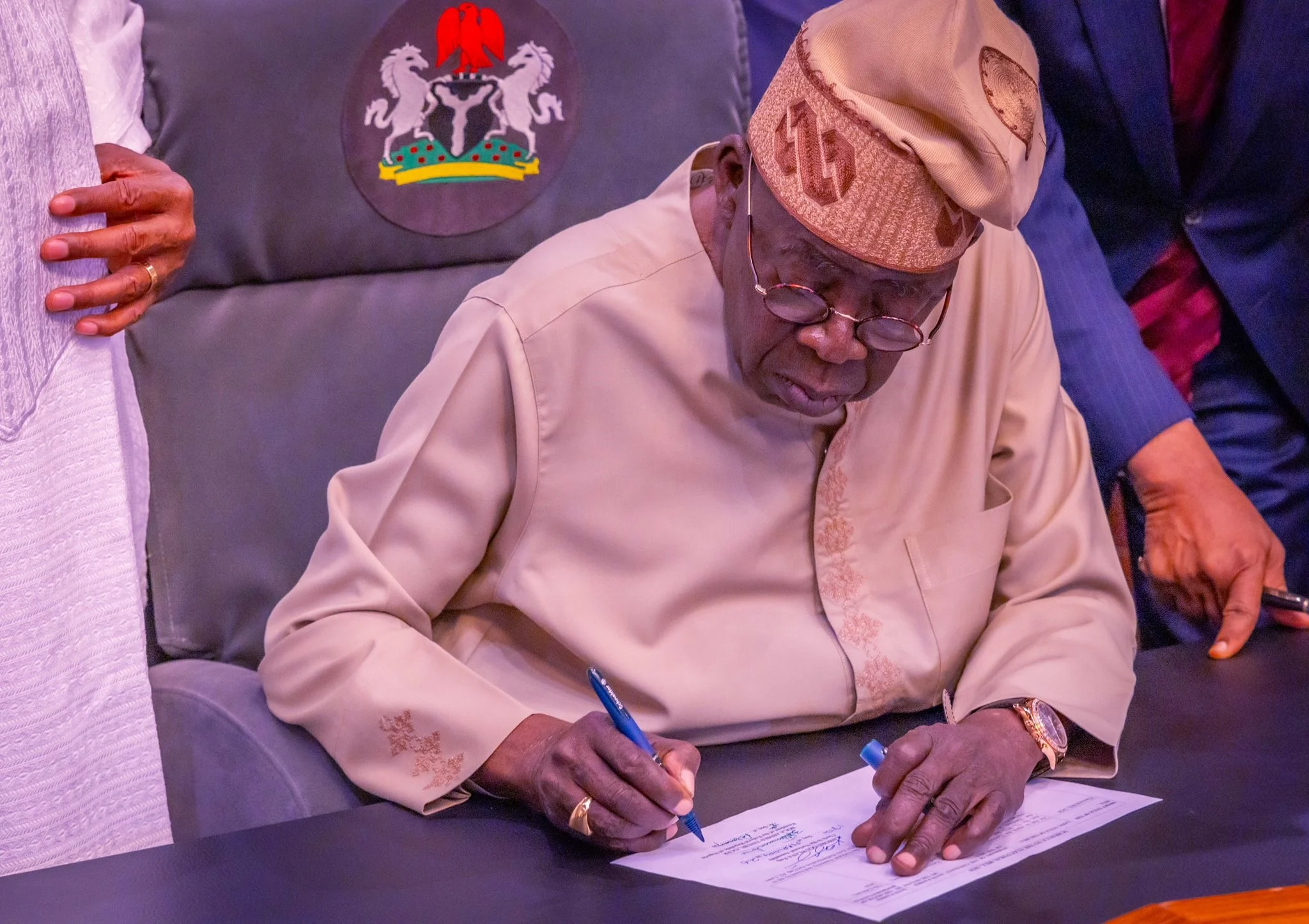
President Bola Tinubu had requested a N9.09 trillion increase in the 2026 budget, partly linked to expected gains from global oil market dynamics.
To support the expanded FG 2026 borrowing plan, lawmakers proposed:
- $10 per barrel oil benchmark increase
- Expected revenue boost: N2.592tn
- Telecom tax contributions:
- MTN: N724bn
- Airtel: N150bn
However, experts note that these revenue measures fall short, prompting additional borrowing that may reflect deeper structural revenue challenges.
External Loans and Rising Debt Profile Concerns
The Senate has approved $6 billion in external loans, further increasing Nigeria’s exposure to foreign debt.
The expanded FG 2026 borrowing plan has triggered strong reactions:
Key Concerns Raised
- Risk of debt trap and fiscal instability
- Rising inflation and cost of living
- Weak linkage between borrowing and development outcomes
- Heavy dependence on borrowing over revenue generation
Economic experts warn that Nigeria’s debt trajectory could strain future budgets if not properly managed.
Experts Warn of Debt Sustainability Risks
Economists and policy analysts have raised red flags over the scale of the FG 2026 borrowing plan.
Major Warnings:
- High deficits could pressure exchange rates and inflation.
- Excess borrowing may reduce fiscal space.
- Debt servicing already consumes over N15tn annually.
Some experts argue that the central issue is not borrowing itself, but the efficiency and transparency with which borrowed funds are deployed—a point that underscores the need for rigorous project selection and evaluation.
Calls for Fiscal Discipline and Structural Reforms
Policy voices are calling for a shift away from debt-heavy financing toward sustainable economic reforms:
- Boost oil production and exports.
- Improve tax efficiency and non-oil revenue.
- Ensure capital projects deliver measurable impact.
- Strengthen transparency and accountability in borrowing.
Critics warn that, without comprehensive reforms, Nigeria risks reinforcing a negative cycle of debt unaccompanied by tangible developmental progress, further deepening economic vulnerability.
Looking ahead, the Outlook: Can Nigeria Sustain Its Borrowing Strategy? becomes a pressing question.
The FG 2026 borrowing plan embodies Nigeria’s crucial fiscal challenge: can increased borrowing lead to stability, or does it risk greater financial difficulties?
While the government maintains that borrowing is necessary to fund infrastructure and growth, concerns persist about:
- Long-term debt sustainability
- Inflationary pressures
- Economic resilience
The upcoming fiscal year will critically test whether Nigeria’s increased borrowing can be effectively transformed into sustainable economic benefits or whether the country will face heightened financial risks and eroded investor confidence.
About the Author