US-Iran War Strait of Hormuz Crisis Deepens as Trump Issues Ultimatum, Iran Expands Attacks
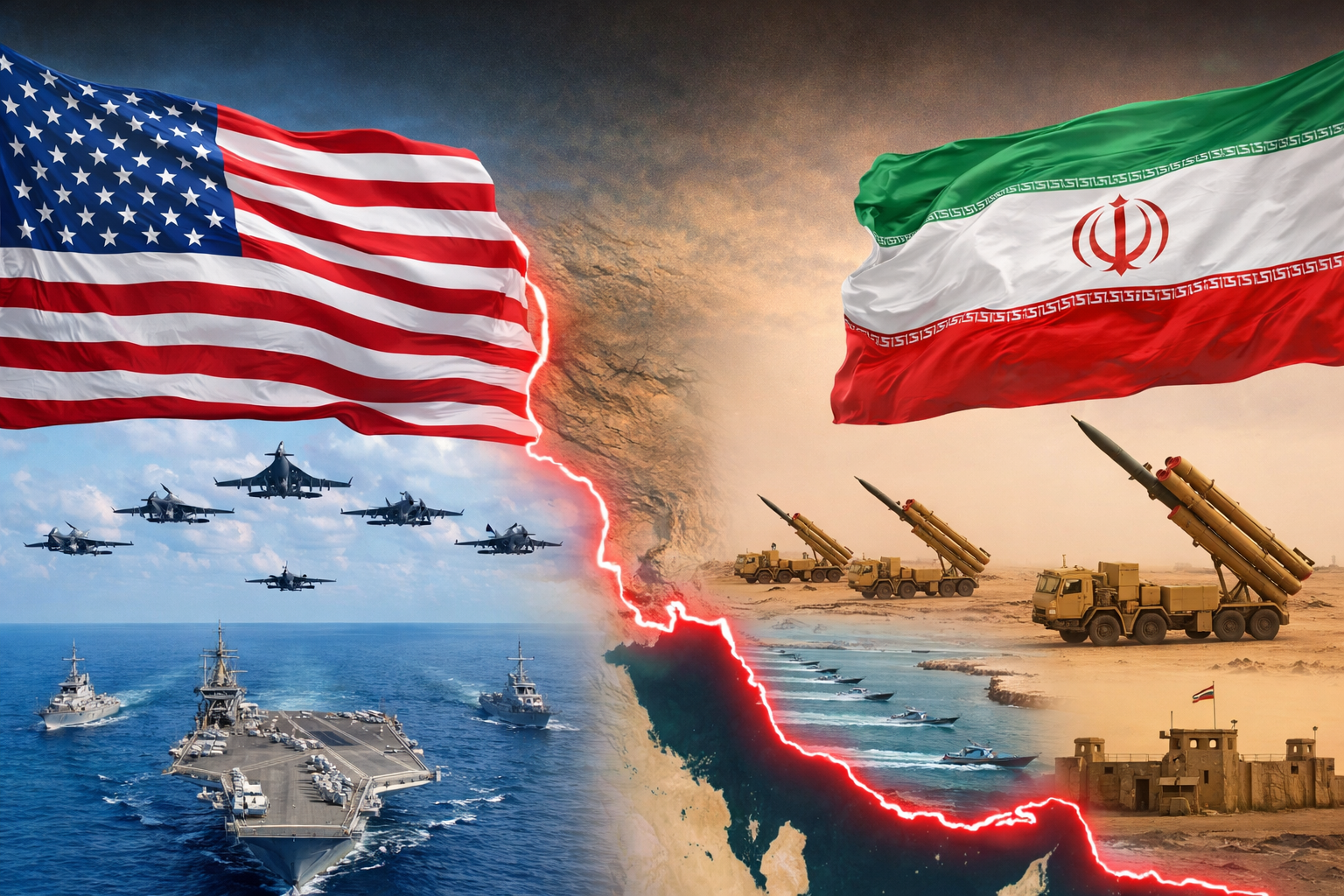
The US-Iran war Strait of Hormuz crisis intensified over April 5–6, 2026, as President Donald Trump issued an ultimatum to Iran to reopen the strategic waterway or face more military strikes. Soon after, Iranian forces launched missile and drone attacks on Gulf energy infrastructure, according to CNN and supporting international reports.
Events spanned Iran, the Strait of Hormuz, Israel, Kuwait, the UAE, and Bahrain, signalling a broader regional escalation with immediate global economic impact.
Trump Issues Deadline Over Strait of Hormuz
CNN reports President Trump telling Iran to reopen the Strait of Hormuz—a critical global oil route—by Tuesday, April 7, 2026, or face direct strikes.
- Trump threatened strikes on:
- Power plants
- Bridges
- Strategic infrastructure
Reuters confirmed the warning followed ongoing global oil supply disruptions, including Iran’s restriction of passage through the strait. (Reuters)
The Strait of Hormuz carries approximately 20% of the global oil supply, making it one of the world’s most critical energy chokepoints.
Iran Launches Missile and Drone Attacks Across the Gulf
Amid growing tensions, Iran-linked operations expanded across the region.
According to CNN and corroborating reports:
- Missile and drone strikes targeted:
- Haifa, Israel
- Kuwait City, Kuwait
- Abu Dhabi, United Arab Emirates
- Bahrain energy infrastructure
Reuters and regional sources confirm damage to Gulf energy facilities, disrupting power and water systems.
These coordinated strikes mark a multi-front escalation, involving both Iran and proxies.
US Military Operations Intensify Inside Iran
CNN reported that US forces carried out a high-risk rescue inside Iran after a US military aircraft was downed.
- Operation involved:
- US special forces deployment
- Extraction of injured personnel
- Direct engagement risk with Iranian forces
This is among the most direct US ground operations in Iran since the conflict started.
Oil Prices Surge as Global Markets React
The US-Iran war in the Strait of Hormuz caused immediate global economic fallout.
According to Reuters:
- Brent crude rose above $109–$111 per barrel.
- US crude surged past $110 per barrel.
- Oil recorded its largest spike since 2020 (Reuters)
Key drivers:
- Disruption of shipping routes
- Attacks on energy infrastructure
- Uncertainty over supply continuity
Global refiners seek new crude sources, and OPEC+ is considering production changes.
Iran Responds with Escalation Warnings
Iranian officials, including representatives of the Islamic Revolutionary Guard Corps (IRGC), warned of further escalation.
Key warnings include:
- Increased attacks on US and allied economic targets
- Expansion of strikes across Gulf states
- Continued restriction of maritime traffic
Iran rejected direct talks, despite reported mediation efforts by Oman.
Diplomatic Efforts Stall as Tensions Rise
CNN reported that diplomatic efforts are ongoing but fragile:
- Proposed 45-day ceasefire discussions
- Indirect negotiations between the US and Iran
- No confirmed direct meeting between the two sides
Reuters confirmed that Iran has refused to hold direct talks with US officials, complicating efforts to de-escalate. (Reuters)No unified international intervention has been confirmed.
Regional and Human Impact Expands
The conflict has widened beyond initial battle zones:
- Lebanon: Hezbollah-linked escalation
- Gulf States: Infrastructure strikes
- Israel: Civilian casualties reported in missile attacks
International reports say thousands were killed regionally.
- Millions displaced
- Infrastructure damage spreading across multiple countries (The Guardian)
Exact casualty details for the past 24 hours are limited and unverified.
Strategic Importance of the Strait of Hormuz
The crisis centres on the Strait of Hormuz:
- Connects the Persian Gulf to global markets
- Handles oil exports from:
- Saudi Arabia
- Iraq
- UAE
- Kuwait
Disruption has:
- Reduced tanker movement significantly
- Increased global shipping risks
- Triggered insurance and logistics disruptions
Current Status (As of April 6, 2026)
- Strait of Hormuz: Partially blocked / restricted
- US position: Ultimatum issued
- Iran’s position: Escalation + no direct talks
- Conflict level: High-intensity, multi-front escalation
About the Author