A Statement of Hope in a Time of Questions
“Corruption does not define Nigeria.” This assertive declaration from EFCC Chairman Ola Olukoyede sparked renewed debate, inviting analysis on the complexities of national identity and perception.
This message formed the core of Olukoyede’s Easter address to the nation as Chairman of the Economic and Financial Crimes Commission (EFCC).
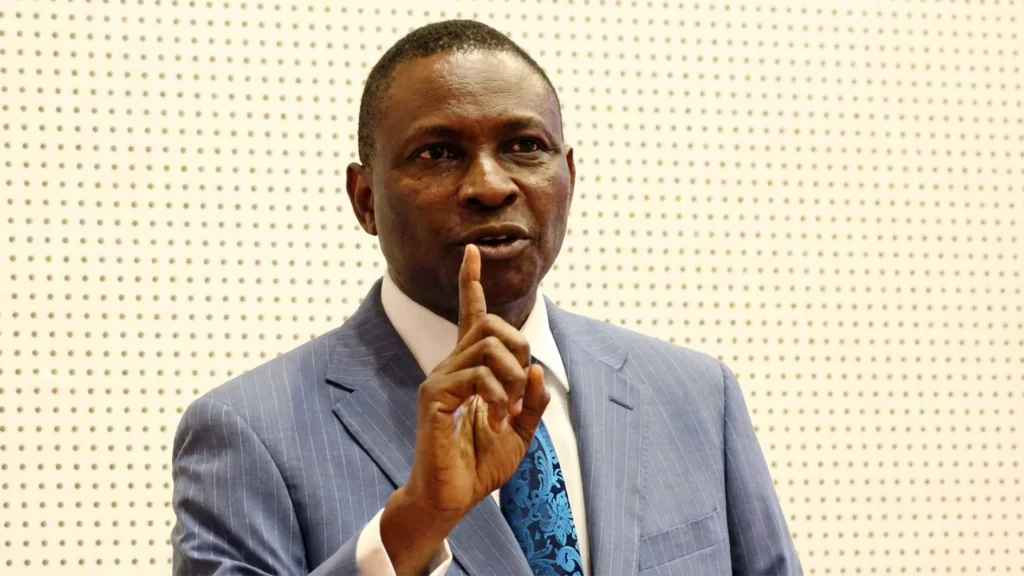
He anchored his remarks in Easter’s symbolism of triumph over adversity. Olukoyede voiced confidence that Nigeria can surmount corruption and called on citizens to trust the anti-graft agency.
Yet beneath this hopeful message, his statement has fueled a deeper national discourse: How does Nigeria’s present, characterised by persistent high-profile corruption cases and widespread scepticism, compare with the EFCC chairman’s assurance?
The EFCC’s Position: Confidence in Progress
The EFCC has consistently maintained that Nigeria is making progress in its anti-corruption efforts.
Under Olukoyede’s leadership, the commission continues to:
- Announce arrests and prosecutions.
- Report asset recoveries
- Collaborate with international partners.
The chairman’s Easter message reflects a broader institutional narrative: corruption is present, but Nigeria’s identity and future rest on progress rather than persistent setbacks.
However, for many observers, the question is not about intent, but about outcomes.
Reality Check: What the Data and Trends Suggest
Nigeria continues to face challenges in global corruption perception rankings.
Reports from Transparency International and other governance monitors consistently highlight:
- Weak institutional accountability
- Public sector corruption concerns
- Low trust in enforcement systems
While periodic progress occurs, corruption remains deeply rooted in governance.
This reinforces a gap between official communications and the everyday experiences reported by citizens.
Case Studies: High-Profile Corruption Cases Shaping Public Perception
To understand this debate, it is important to examine real, verifiable cases that shape Nigeria’s anti-corruption landscape.
1. The Diezani Alison-Madueke Asset Recovery Cases
Former Petroleum Minister Diezani Alison-Madueke remains one of the most prominent figures in Nigeria’s corruption narrative.
- Billions of naira in assets linked to her have been recovered in several jurisdictions.
- Properties, funds, and luxury items have been seized both in Nigeria and abroad.
Although years of investigation and asset recovery have taken place, final judicial resolution remains pending, prompting questions about the pace of justice.
👉 Public Concern: Recovery without swift conviction weakens deterrence.
2. The Orji Uzor Kalu Conviction and Legal Reversal
Former Abia State Governor Orji Uzor Kalu was convicted in 2019 for financial mismanagement.
However:
- The Supreme Court later overturned the conviction on procedural grounds.
- The case was ordered for retrial.
This outcome intensified debate about Nigeria’s legal process.
👉 Public Concern: Legal technicalities can overturn major anti-corruption victories.
3. Ibrahim Magu Investigation and EFCC Leadership Scrutiny
Former EFCC Acting Chairman Ibrahim Magu was investigated over allegations of misconduct and mismanagement.
- A presidential panel reviewed his tenure.
- The case underscored accountability issues within anti-corruption institutions.
👉 Public Concern: Who watches the watchdog?
4. Abdulrasheed Maina Pension Fraud Case
The former chairman of the Pension Reform Task Team, Abdulrasheed Maina:
- Was convicted and sentenced for massive pension fraud
- Later fled Nigeria, was re-arrested, and extradited
While the conviction was seen as a major win, the case exposed:
- Weak institutional controls
- Gaps in enforcement before prosecution
5. 2025–2026 EFCC Crackdowns on Cybercrime and Financial Fraud
In recent years, including 2025–2026, the EFCC has intensified operations against:
- Cybercrime networks
- Online financial fraud
- Cryptocurrency-related scams
Dozens of suspects have been arrested nationwide.
Critics argue that these cases often involve lower-level offenders.
- High-level systemic corruption appears less visibly concluded.
👉 Public Concern: Is enforcement balanced across all levels?
Recovered Funds vs Public Impact: Where Does the Money Go?
The EFCC frequently announces the recovery of:
- Billions in stolen funds
- Luxury properties
- Foreign assets
A key question remains: How are recovered assets used?
The government says recovered funds aid development. Yet, transparency advocates say tracking is limited, and citizens rarely see results.
- Public tracking mechanisms remain limited.
- Citizens rarely see the direct impact.
This breeds scepticism, even when recoveries are clear.
Judicial Delays and Systemic Bottlenecks
A major challenge for Nigeria’s anti-corruption fight is the slow pace of judicial proceedings.
Common issues include:
- Frequent adjournments
- Legal technicalities
- Case restarts
Some trials last for years, reducing:
- Public confidence
- Deterrence value
Strong investigations lose impact when justice is delayed.
Selective Enforcement Debate: Perception vs Reality
Another major issue shaping public opinion is the perception of selective justice.
Critics have argued that:
- Opposition figures are more frequently targeted.
- Politically connected individuals experience slower prosecutions.
The EFCC has consistently denied these claims, maintaining that its operations are impartial.
However, perception remains powerful and continues to affect public trust.
Public Experience: The Everyday Reality of Corruption
Beyond high-profile cases, everyday experiences also shape the national narrative.
Many Nigerians still encounter:
- Bribery in public services
- Administrative inefficiencies
- Mismanagement of public funds
To citizens, corruption is more than a headline—it is a daily reality.
This daily reality often sharply contrasts with official assurances.
Balancing the Narrative: EFCC’s Achievements
Despite criticisms, the EFCC has recorded notable successes:
- Asset recovery across multiple jurisdictions
- Increased cybercrime enforcement
- International collaboration
- Public awareness campaigns
These achievements show that Nigeria’s anti-corruption fight is active, even as results vary.
A Defining Question: What Truly Defines Nigeria?
Olukoyede’s claim that corruption does not define Nigeria is aspirational.
It reflects:
- National identity
- Institutional intent
- Hope for transformation
But for many, the defining question is: what does the evidence show?
Conclusion: Hope Must Align with Measurable Results
The EFCC chairman’s Easter message is symbolic. Still, the analysis must be checked for alignment with ground realities.
But the national conversation it has sparked reveals a deeper reality:
- Nigerians want results, not just reassurance.
- They want consistency, not selective enforcement.
- They want transparency, not ambiguity.
While corruption may not be officially recognised in Nigeria, its persistent presence shapes public perception in ways that contrast with official assurances.
Bridging this gap will require more than optimism — it will require:
- Strong institutions
- Swift justice
- Transparent governance
Until then, debate about Olukoyede’s statement will likely continue.
About the Author