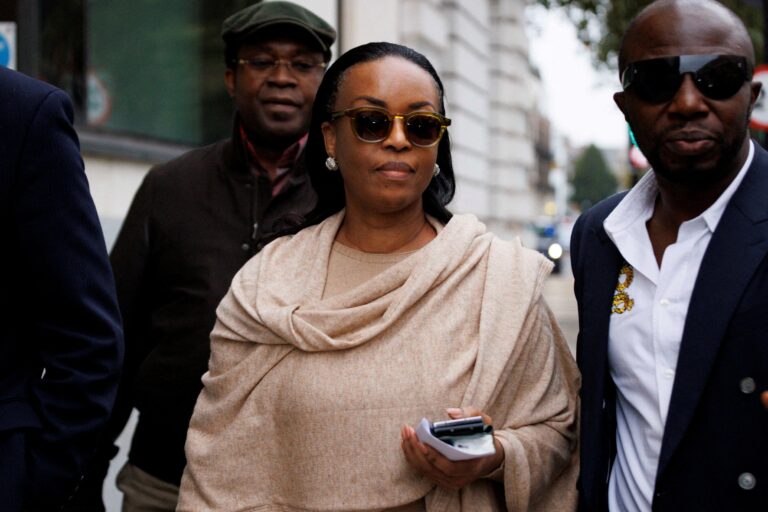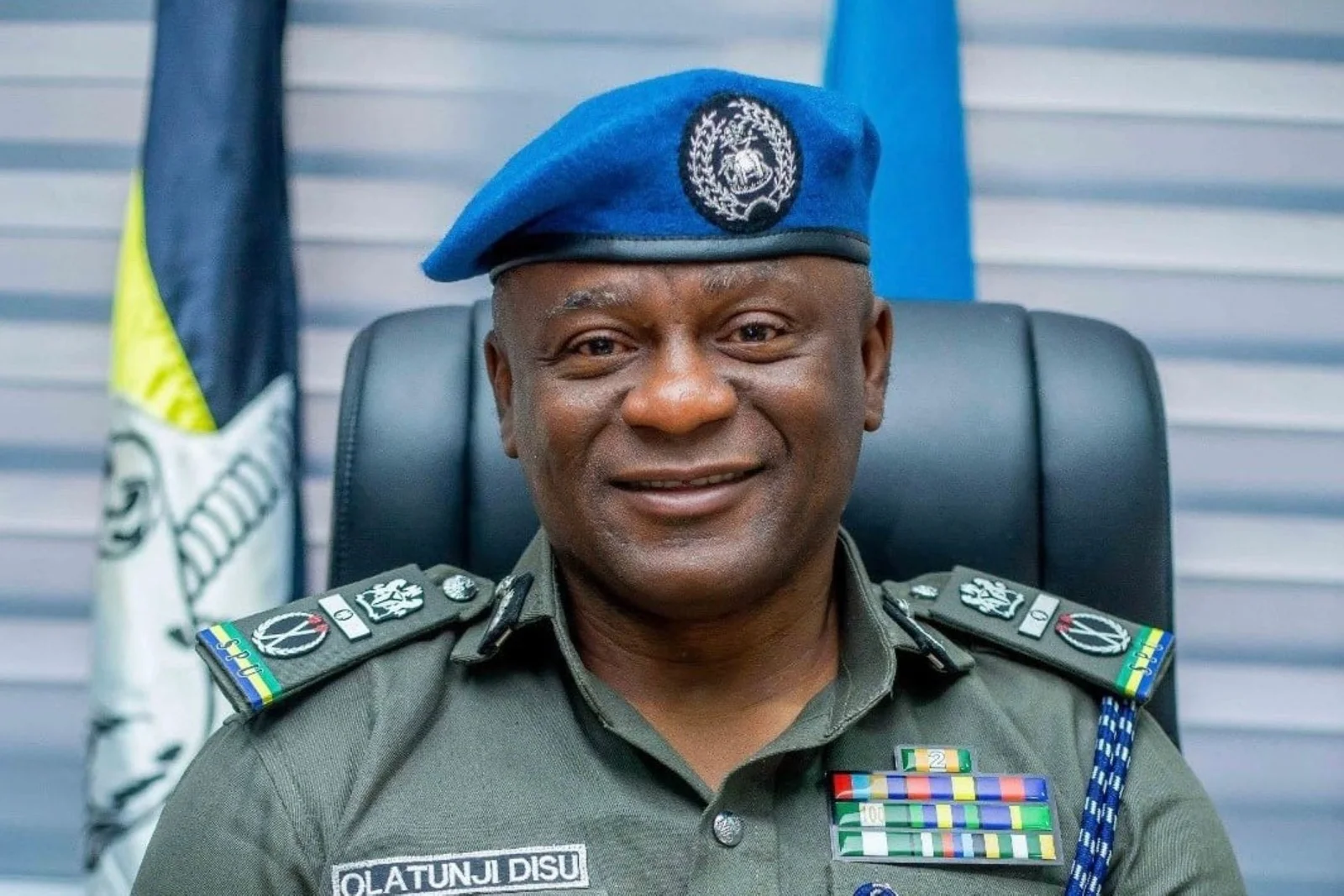
Tunji Disu has been appointed as the new Inspector General of Police (IGP) following President Bola Tinubu’s reported decision to relieve IGP Egbetokun of his duties. The announcement, made on Tuesday in Abuja, marks a significant leadership transition within the Nigeria Police Force. Disu assumes the role amid persistent security challenges affecting multiple regions of the country.
The appointment of Tunji Disu follows growing public scrutiny over policing performance and rising insecurity. Egbetokun, who previously served as Inspector General of Police (IGP), had overseen operations during a challenging security period. Tunji Disu now assumes command with expectations of reform and decisive action.
Tunji Disu: Who Is the New Inspector General of Police (IGP)?
Tunji Disu is a senior police officer with extensive operational and administrative experience. Prior to this appointment, he served as an Assistant Inspector General (AIG) and led key commands in Lagos as well as other strategic states.
Tunji Disu is recognized for his expertise in tactical coordination and intelligence-driven policing. Security analysts regard him as a disciplined officer with substantial field credibility. His leadership approach is anticipated to influence the strategic direction of the Inspector General of Police (IGP) office.
Why Egbetokun Was Replaced
Although official details are limited, Tunji Disu’s appointment occurs amid reports of strategic restructuring within the security sector. Egbetokun’s tenure as Inspector General of Police (IGP) received mixed assessments, with some commending his operational initiatives and others expressing concern over the pace of reform.
Presidential sources suggest that Tunji Disu’s appointment is consistent with broader initiatives to enhance security coordination. President Tinubu has consistently emphasized the need for improved law enforcement performance, and the selection of Disu appears to reflect this priority.
Security Challenges Facing Tunji Disu
Tunji Disu assumes office as Inspector General of Police (IGP) during a period marked by:
- Kidnappings in parts of Northern Nigeria
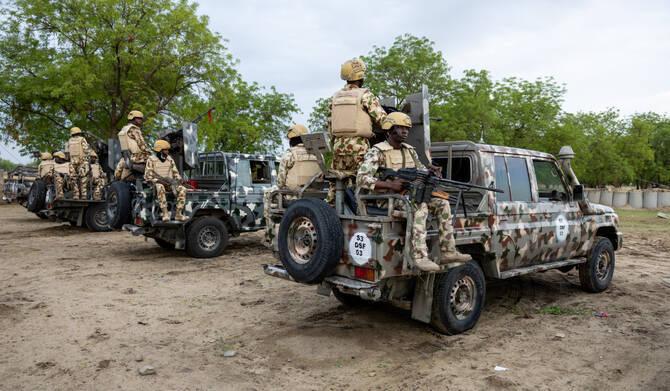
- Banditry and insurgency threats
- Urban crime in major cities
- Cybercrime and financial fraud
- Public distrust toward policing institutions
Tunji Disu is expected to address these challenges promptly. Analysts contend that his initial policy decisions will significantly influence public confidence in the Nigeria Police Force.
Public Reaction to Tunji Disu’s Appointment
Tunji Disu’s appointment has elicited significant responses across social media and political forums. Supporters characterize him as a pragmatic leader with substantial field experience, while critics maintain that comprehensive structural reform is more critical than a change in leadership.
Civil society organizations emphasize the need for Tunji Disu to prioritize transparency and accountability. Youth groups have called for a focus on police professionalism and adherence to human rights standards.
What This Means for Police Reform
The elevation of Tunji Disu to Inspector General of Police (IGP) could mark a turning point for institutional reform. Many Nigerians expect Tunji Disu to:
- Strengthen internal discipline mechanisms
- Improve officer welfare
- Enhance intelligence gathering
- Deploy technology in crime detection
- Modernize training standards
The effectiveness of Tunji Disu’s reform initiatives will likely serve as the primary basis for comparison with Egbetokun’s tenure.
Political Implications of Tunji Disu’s Appointment
The appointment of Tunji Disu also carries political weight. As Inspector General of Police (IGP), Tunji Disu will oversee security coordination during upcoming political activities and electoral preparations.
Analysts emphasize that Tunji Disu must uphold neutrality in his role. The Nigeria Police Force is central to election security, and his leadership may significantly impact public trust in the democratic process.
Comparing Tunji Disu and Egbetokun
Both Tunji Disu and Egbetokun built careers within the Nigeria Police Force. However, observers note differences in operational emphasis.
- Egbetokun focused heavily on structural command coordination.
- Tunji Disu is known for hands-on operational leadership.
These differences in leadership style may influence policy direction during Tunji Disu’s tenure. The office of the Inspector General of Police (IGP) frequently mirrors the approach of its incumbent.
Immediate Priorities for Tunji Disu
Security experts outline key early steps for Tunji Disu:
- Review ongoing anti-banditry operations.
- Strengthen intelligence collaboration with the military.
- Improve police-public relations.
- Address internal corruption allegations.
Tunji Disu’s first 100 days as Inspector General of Police (IGP) will likely set the tone for his administration.
Regional Security Impact
The emergence of Tunji Disu as Inspector General of Police (IGP) may influence regional coordination efforts. Cross-border crime, arms trafficking, and extremist networks require unified strategy.
Tunji Disu is expected to collaborate closely with regional security agencies. The Nigeria Police Force continues to play a central role in maintaining security stability across West Africa.
Institutional Expectations
Many Nigerians believe Tunji Disu inherits a demanding office. The Inspector General of Police (IGP) faces pressure from lawmakers, civil society, and international partners.
Tunji Disu’s credibility will be assessed based on measurable improvements in crime response and officer accountability. The public anticipates tangible progress during his leadership.
Conclusion
The appointment of Tunji Disu as Inspector General of Police (IGP) marks a significant moment in Nigeria’s security landscape. President Tinubu’s reported decision to relieve Egbetokun and elevate Tunji Disu signals a new chapter for the Nigeria Police Force.
Tunji Disu now bears the responsibility of restoring public confidence, enhancing operational capacity, and addressing insecurity nationwide. As his tenure commences, stakeholders will closely monitor the extent to which he translates leadership change into substantive reform.
About the Author