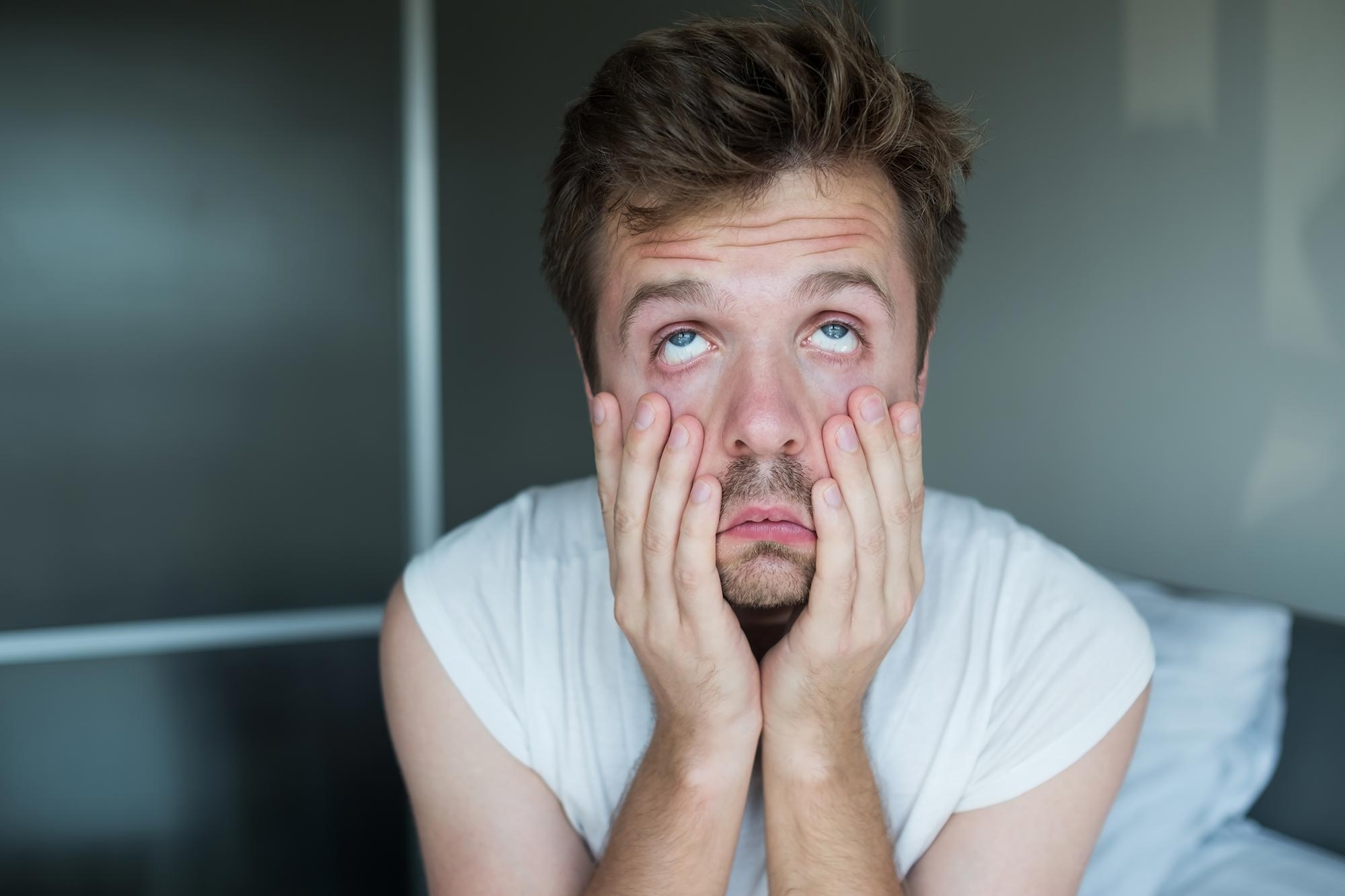
At 1:47 a.m., the world is still awake.
Screens glow. Emails arrive. Deadlines loom. In cities across the globe, people push past exhaustion in the name of productivity. Yet few stop to ask a critical question: what happens to your body when you don’t sleep enough?
The answer goes far beyond fatigue. The effects of sleep deprivation unfolding in the body are measurable, cumulative, and, in many cases, dangerous. What feels like “just one late night” can quietly trigger hormonal disruption, inflammation, impaired cognition, and long-term health decline.
Sleep is not downtime. It is a biological repair.
What Happens to Your Body When You Don’t Sleep Enough: A Biological Breakdown
To understand what happens to your body when you don’t sleep enough, we must look at what sleep actually does.
During deep sleep, the brain clears metabolic waste. Hormones recalibrate. The immune system strengthens its defenses. Memory consolidates. Blood pressure stabilizes. Cells repair microscopic damage.
When sleep is short, those processes stall.
The immediate sleep deprivation effects appear within 24 hours:
- Reduced concentration
- Slower reaction time
- Mood instability
- Increased appetite
- Elevated cortisol levels
The body interprets lack of sleep as stress. Cortisol rises. Blood sugar fluctuates. The nervous system remains in a state of alert.
One restless night may seem harmless. Repeated nights begin to shift the body’s chemistry.
The Early Sleep Deprivation Effects We Ignore
Most people recognize the surface-level effects of sleep deprivation: grogginess, irritability, and forgetfulness.
But internally, more subtle shifts occur.
The brain’s prefrontal cortex — responsible for judgment and impulse control — becomes less efficient. Emotional regulation weakens. Risk-taking increases. Decision-making suffers.
Simultaneously, hunger hormones change. Ghrelin, which stimulates appetite, increases. Leptin, which signals fullness, decreases. This explains why sleep loss often leads to cravings for sugar and processed foods.
What happens to your body when you don’t sleep enough begins as an inconvenience. It evolves into an imbalance.
Chronic Sleep Deprivation: When Fatigue Becomes Disease
The real danger lies in chronic sleep deprivation.
When insufficient sleep becomes a habit, inflammation remains elevated. Insulin sensitivity drops. Blood vessels stiffen. The immune system weakens.
Extensive research links chronic sleep deprivation to:
- Heart disease
- Type 2 diabetes
- Obesity
- Depression and anxiety
- Stroke risk
- Reduced immune defense
The cardiovascular system bears significant strain. Blood pressure rises at night instead of dipping. Over time, that sustained pressure damages arteries.
Sleep deprivation effects are no longer temporary. They become structural.
What Happens to Your Brain When You Don’t Sleep Enough
Perhaps the most profound effects of sleep deprivation occur in the brain.
During sleep, the brain activates a cleansing mechanism often referred to as the glymphatic system. It flushes out toxins that accumulate during waking hours.
Without sufficient sleep, that clearance slows. Memory formation weakens. Focus declines. Emotional processing becomes erratic.
Studies suggest chronic sleep deprivation may increase long-term risk for neurodegenerative conditions. The brain, deprived of rest, struggles to maintain its delicate balance.
Ironically, many people sacrifice sleep to be more productive — yet cognitive performance deteriorates sharply under sleep loss.
A Cultural Problem in a 24-Hour World
Understanding what happens to your body when you don’t sleep enough requires examining culture.
Modern society rewards hustle. Remote work blurs boundaries. Smartphones extend the day indefinitely. Streaming platforms remove natural stopping points.
In Nigeria’s urban centers and across Africa’s growing cities, long commutes, economic pressure, and irregular power supply disrupt sleep patterns. Globally, modernization correlates with shorter average sleep duration.
Healthcare providers report rising burnout and insomnia. Employers lose billions of dollars annually due to the effects of sleep deprivation. Road accidents and workplace injuries often stem from fatigue.
Sleep loss is no longer personal. It is structural.
The Hormonal Domino Effect
What happens to your body when you don’t sleep enough extends deeply into hormonal systems.
Cortisol remains elevated. Growth hormone release declines. Testosterone and reproductive hormones shift. Insulin regulation weakens.
This hormonal disruption explains why chronic sleep deprivation increases the risk of metabolic disorders. It also clarifies why people who sleep less often struggle with weight gain despite controlled diets.
The body relies on rhythmic cycles. Sleep anchors those cycles. Remove it, and regulation falters.
Immune System Under Attack
One of the lesser-known effects of sleep deprivation involves the immune system.
Research shows that individuals who sleep fewer than six hours per night are significantly more likely to develop infections when exposed to viruses. Vaccination responses also weaken under sleep restriction.
The immune system uses sleep to coordinate defense strategies. Without adequate rest, its efficiency drops.
In a world still conscious of infectious disease risk, chronic sleep deprivation presents an underappreciated vulnerability.
Why We Keep Sacrificing Sleep
If the science is clear, why do we ignore it?
Partly because sleep feels flexible. We can skip it without immediate collapse. Unlike hunger or thirst, the consequences accumulate quietly.
Partly because ambition competes with biology. Many equate sleep with laziness. Yet elite athletes, high-performing executives, and medical researchers increasingly treat sleep as performance optimization.
What happens to your body when you don’t sleep enough is not weakness. It is predictable physiology.
Solutions in a Sleep-Deprived Era
Addressing the effects of sleep deprivation requires both individual and collective change.
Practical strategies include:
- Maintaining consistent bedtimes
- Reducing screen exposure before sleep
- Limiting caffeine late in the day
- Creating dark, quiet sleep environments
- Seeking medical help for persistent insomnia
At a broader level, workplaces can implement wellness policies. Schools can adjust start times. Public health campaigns can raise awareness of sleep.
Preventing chronic sleep deprivation begins with reframing sleep as essential, not optional.
The Future of Sleep Health
Technology now tracks sleep cycles in real time. Wearables analyze rest patterns. Artificial intelligence predicts risk profiles.
But no device can replace discipline.
The future depends less on innovation and more on cultural recalibration. If we continue ignoring what happens to your body when you don’t sleep enough, chronic disease burdens may rise. If awareness deepens, prevention becomes possible.
Sleep may be the most powerful health intervention that costs nothing.
Final Reflection: The Question We Avoid
What happens to your body when you don’t sleep enough is no longer uncertain. Science shows the effects of sleep deprivation clearly: hormonal imbalance, inflammation, cardiovascular strain, metabolic dysfunction, and cognitive decline.
Chronic sleep deprivation is not a badge of honor. It is a risk factor.
The deeper question remains: knowing all this, why do we still trade rest for routine?
Perhaps the real health revolution begins not in laboratories, but in bedrooms — with one simple decision.
Turning off the light.
And finally choosing sleep.

About the Author