Climate Frontlines: Understanding the Rising Impact of Climate-Linked Disasters
Introduction: Climate-Linked Disasters at a Breaking Point
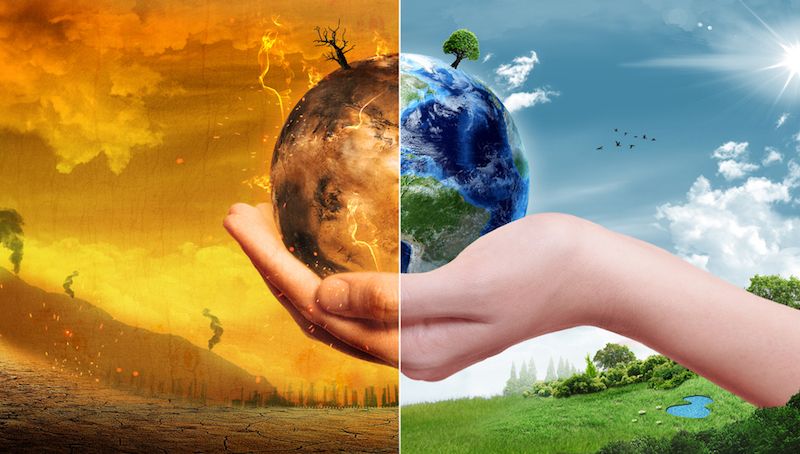
Climate-Linked Disasters are reshaping the global conversation about safety, infrastructure, and survival. A deadly rockslide in Canada. Record-breaking floods in major cities. Prolonged heatwaves across continents. Each event sparks headlines, but together they signal a deeper shift.
Are these isolated tragedies? Or are Climate-Linked Disasters the new climate normal?
Scientists warn that rising global temperatures intensify extreme weather. Communities now face more frequent shocks. The frontlines of climate change are no longer distant. They are everywhere.
Historical Context: Climate-Linked Disasters and a Warming Planet
Climate-Linked Disasters did not emerge overnight. Since the Industrial Revolution, greenhouse gas emissions have altered Earth’s atmosphere. The Intergovernmental Panel on Climate Change (IPCC) has repeatedly confirmed that human activity drives global warming.
Over decades, scientists observed trends:
- Rising average temperatures
- Melting glaciers
- Sea-level rise
- More intense storms
Today, Climate-Linked Disasters reflect these cumulative changes. What once occurred once in a century now happens every decade. In some regions, extreme heat events occur annually.
The science is clear. Warmer air holds more moisture. That moisture fuels heavier rainfall. Higher temperatures dry out vegetation, increasing wildfire risk. The pattern connects directly to Climate-Linked Disasters.
Case Studies: Climate-Linked Disasters in Action
Recent events illustrate how Climate-Linked Disasters unfold across geographies.
In Canada, a catastrophic rockslide followed heavy rainfall and unstable terrain. Experts linked changing precipitation patterns to increased landslide risk. In Europe and parts of Asia, extreme heatwaves strained energy grids and overwhelmed hospitals. In coastal regions, floods displaced thousands.
Each example shows how Climate-Linked Disasters interact with local vulnerabilities:
- Poor drainage systems amplify flooding.
- Deforestation increases landslide risk.
- Urban heat islands intensify heatwaves.
These disasters reveal that climate risk is not only about weather. It is about planning, governance, and preparedness.
Human Vulnerability: Climate-Linked Disasters and Inequality
Climate-Linked Disasters hit hardest where vulnerability runs deepest. Low-income communities often live in high-risk zones. Informal settlements lack resilient infrastructure.
Small island nations face existential threats from sea-level rise. Rural farmers struggle with erratic rainfall. Urban workers endure extreme heat without adequate cooling.
The United Nations and agencies like the United Nations Environment Programme warn that climate adaptation funding remains insufficient. Vulnerable populations pay the highest price for emissions they did little to create.
Thus, Climate-Linked Disasters expose global inequality. Climate justice becomes central to policy debates.
Government Response: Climate-Linked Disasters and Policy Gaps
Governments acknowledge that Climate-Linked Disasters are intensifying. Many countries signed agreements under the Paris Agreement to limit warming to 1.5°C.
Policy responses include:
- Expanding renewable energy
- Strengthening flood defenses
- Developing early warning systems
- Investing in resilient infrastructure
Yet critics argue progress is too slow. Fossil fuel investments continue. Adaptation funding falls short. Political cycles often prioritize short-term gains over long-term resilience.
The gap between climate commitments and real-world implementation leaves communities exposed to Climate-Linked Disasters.
Global and Local Perspectives: Climate-Linked Disasters Across Borders
Climate-Linked Disasters do not respect borders. Wildfire smoke travels across countries. Flooding disrupts global supply chains. Heatwaves reduce labor productivity worldwide.
In Africa, drought threatens food security. In North America, storms damage infrastructure. In Asia, typhoons grow more intense. These trends reveal a shared vulnerability.
Local governments increasingly develop adaptation plans. Cities redesign drainage systems. Communities adopt climate-smart agriculture. However, without coordinated global action, Climate-Linked Disasters may outpace adaptation.
Challenges and Opportunities: Climate-Linked Disasters and Adaptation
The challenge is clear. Climate-Linked Disasters are escalating. But opportunity exists.
Adaptation strategies include:
- Nature-based solutions like mangrove restoration
- Climate-resilient housing design
- Heat action plans
- Insurance reform for climate risk
Technology also offers promise. Satellite monitoring improves early warnings. Data modeling enhances risk mapping.
However, adaptation requires funding and political will. Without structural change, Climate-Linked Disasters will strain economies and deepen displacement.
Future Outlook: Climate-Linked Disasters in the Next Decade
Looking ahead, Climate-Linked Disasters are projected to intensify if emissions remain high. The IPCC warns that every fraction of a degree matters.
If governments accelerate renewable transitions and invest in resilience, disaster impacts could stabilize. If action stalls, extreme events may grow more frequent and destructive.
Young climate activists demand accountability. Courts increasingly hold governments responsible for inaction on climate change. The trajectory of Climate-Linked Disasters depends on decisions made today.
Conclusion: Climate-Linked Disasters Demand Urgent Action
Climate-Linked Disasters go beyond weather anomalies. They signal systemic risk. The science is robust. The warnings are consistent. The human cost is rising.
Governments must close the gap between promises and performance. Communities must prioritize resilience. Citizens must demand accountability.
The question is no longer whether Climate-Linked Disasters will continue. The question is whether leaders will act decisively enough to limit their impact.
The frontlines are expanding. The window for prevention is narrowing. What happens next will define the century.
About the Author