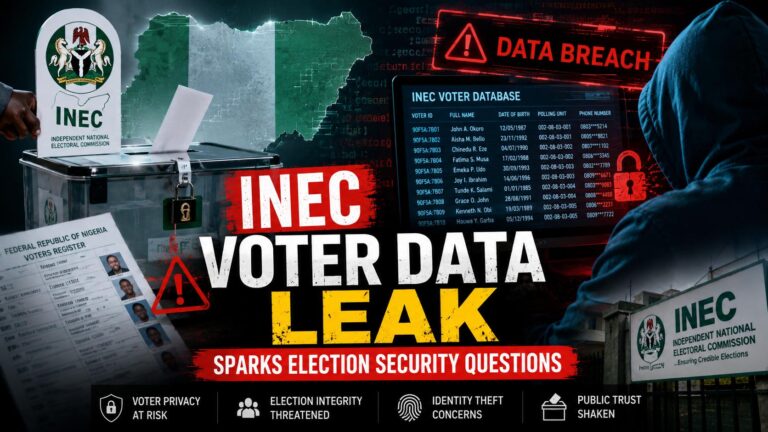
Nigeria’s Electoral Reform and Digital Voting Shift
Nigeria's electoral reform is redefining democratic accountability as new amendments to the Electoral Act reshape INEC's operations. From electronic transmission of results to transparency safeguards, the reforms promise credibility but face legal and technical scrutiny. As African Politics increasingly embrace digital systems, Nigeria’s reforms could influence regional democratic standards while testing public trust in electoral processes.
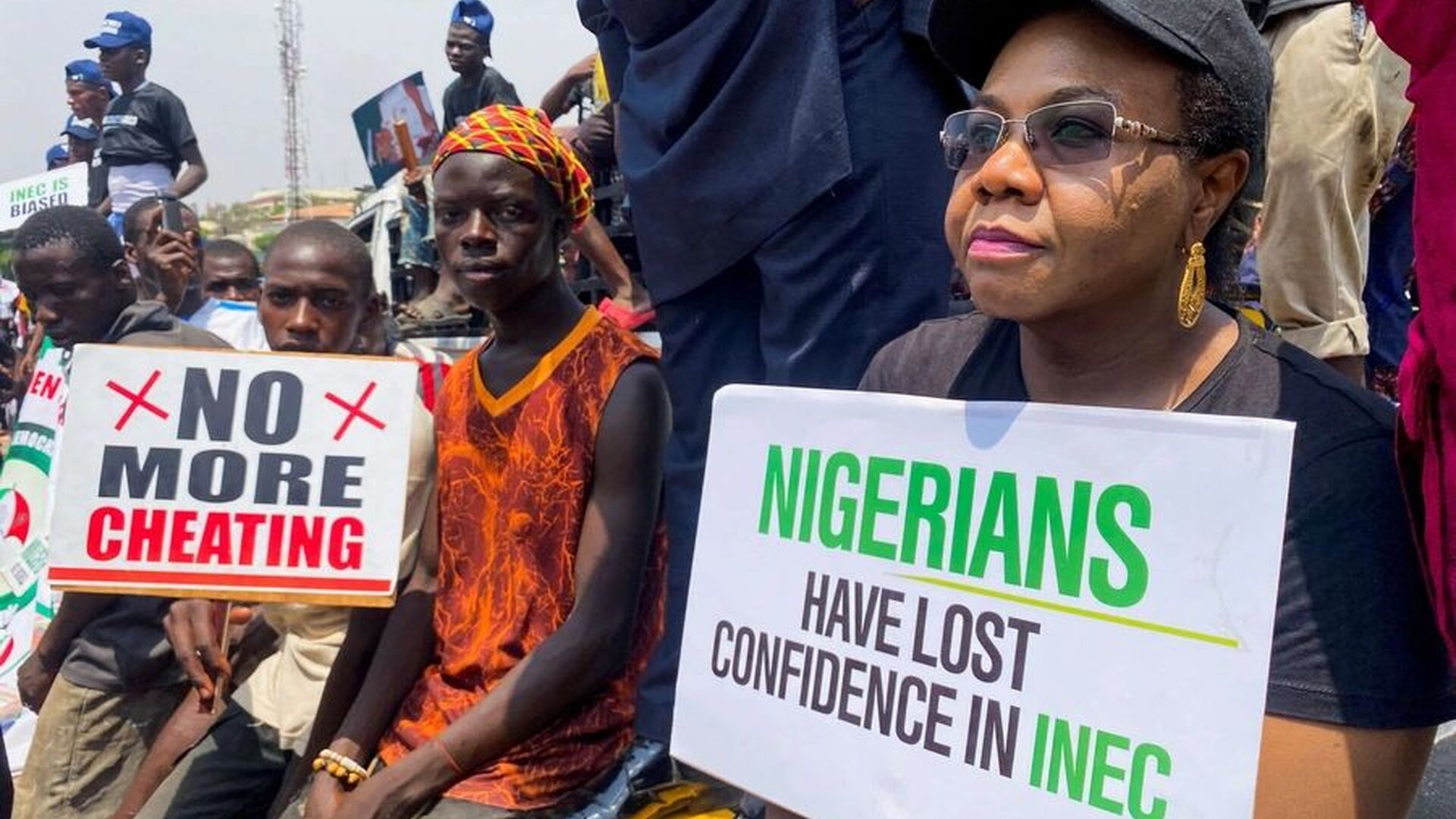
Nigeria Electoral Reform: Trust at Stake
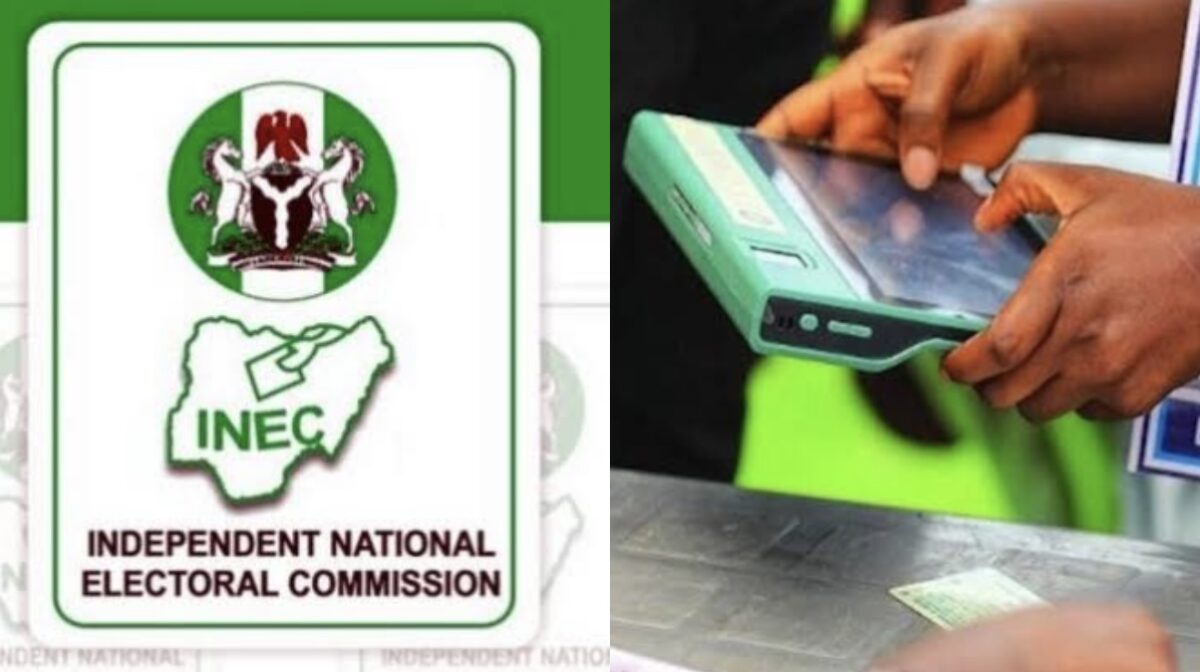
Nigeria Electoral Reform: Transparency, Tech and Trust
Nigeria’s electoral reform is once again at the center of national debate as policymakers, the Independent National Electoral Commission (INEC), civil society groups, and political actors assess recent Electoral Act amendments in Nigeria. The reforms, implemented nationwide during recent election cycles, aim to improve transparency, enable electronic transmission of results, and restore public trust in Nigeria’s democratic system.
Nigeria’s electoral reform has evolved significantly over the past decade. The latest amendments to the Electoral Act seek to modernize electoral administration, reduce fraud, and align Nigeria with global democratic standards within African Politics.
Nigeria’s Electoral Reform and the Electoral Act Amendments Nigeria
Nigeria’s electoral reform gained momentum after widespread calls for credible elections following disputed polls in previous cycles. The Electoral Act amendments Nigeria introduced legal backing for technology-driven processes, particularly the electronic transmission of results from polling units.
Under the amended Electoral Act, INEC now has clearer authority to deploy digital systems. These include:
- Bimodal Voter Accreditation System (BVAS)
- Electronic transmission of polling unit results
- Improved voter register management
- Stronger timelines for candidate primaries
Nigeria’s electoral reform, through these amendments, aims to close loopholes that previously allowed result manipulation during manual collation.
However, legal interpretation challenges remain. Courts have occasionally differed in interpreting sections of the Electoral Act amendments in Nigeria, especially regarding mandatory versus discretionary electronic transmission.
Nigeria’s Electoral Reform and INEC’s Expanding Role
Nigeria’s electoral reform places significant responsibility on INEC. As the constitutional body overseeing elections, INEC must balance operational independence with accountability.
INEC has invested heavily in technology infrastructure to support electronic transmission. The commission argues that digital uploads from polling units enhance transparency and reduce human interference.
Yet critics say Nigeria’s electoral reform cannot succeed without:
- Adequate funding
- Robust cybersecurity systems
- Transparent procurement processes
- Independent audits of election technology
In African Politics, electoral commissions often face political pressure. Nigeria’s electoral reform tests INEC’s ability to remain impartial while managing complex digital systems.
Nigeria’s Electoral Reform and Electronic Transmission
Nigeria’s electoral reform hinges largely on electronic transmission. The reform allows results to be uploaded directly from polling units to central servers, where citizens can view them in real time.
Supporters believe electronic transmission enhances:
- Speed of result collation
- Public transparency
- Confidence in outcomes
- Reduced physical tampering
However, concerns persist. Network coverage gaps in rural Nigeria raise questions about reliability. Technical glitches during pilot phases exposed vulnerabilities that require urgent improvement.
Nigeria’s electoral reform must therefore address digital infrastructure inequality. Without nationwide connectivity, electronic transmission risks uneven implementation.
Across African Politics, countries like Kenya and Ghana have experimented with similar technologies. Nigeria’s electoral reform could set a regional benchmark if properly executed.
Nigeria’s Electoral Reform and Transparency Gains
Nigeria’s electoral reform seeks to institutionalize transparency at every stage of the electoral process. The amended law mandates earlier publication of candidate lists and clearer dispute resolution timelines.
Transparency measures include:
- Online result viewing portals
- Public access to polling unit data
- Strict timelines for legal challenges
- Increased oversight by observer groups
Civil society organizations argue that Nigeria’s electoral reform strengthens democratic oversight. Observers can now cross-check uploaded results against physical copies displayed at polling units.
However, transparency depends on consistency. Any deviation from electronic transmission protocols can erode gains made under Nigeria’s electoral reform.
Nigeria’s Electoral Reform and Public Trust
Nigeria’s electoral reform ultimately aims to rebuild public trust. Surveys over the years have shown a decline in voter confidence in electoral outcomes.
Public trust depends on three factors:
- Credibility of INEC
- Transparency of processes
- Acceptance of results by political actors
If Nigeria’s electoral reform delivers credible elections, voter turnout may improve. If controversies persist, skepticism could deepen.
Public trust also connects to communication. INEC must clearly explain technical processes to citizens. Complex electoral technologies can generate suspicion if poorly understood.
Within African Politics, public trust remains fragile in several democracies. Nigeria’s electoral reform, therefore, carries continental significance.
Nigeria’s Electoral Reform in the Context of African Politics
Nigeria’s electoral reform does not exist in isolation. Across African Politics, electoral reforms increasingly emphasize technology and transparency.
Countries across the continent face similar challenges:
- Electoral violence
- Judicial disputes
- Logistical weaknesses
- Public skepticism
Nigeria’s electoral reform positions the country as a test case. As Africa’s largest democracy by population, Nigeria influences regional governance standards.
If Nigeria’s electoral reform succeeds, it may encourage broader adoption of digital electoral systems. If it fails, critics of technological reforms may gain ground.
Nigeria Electoral Reform: Legal and Political Implications
Nigeria’s electoral reform also carries legal implications. Court rulings on election petitions often determine public perception of fairness.
Legal clarity within the Electoral Act amendments in Nigeria is essential. Ambiguous wording can trigger conflicting judicial interpretations.
Political actors must also commit to democratic norms. Nigeria’s electoral reform cannot compensate for inflammatory rhetoric or refusal to accept verified results.
The success of Nigeria’s electoral reform therefore, depends on:
- Judicial consistency
- Political maturity
- Institutional integrity
Nigeria’s Electoral Reform and the Road Ahead
Nigeria’s electoral reform remains a work in progress. Policymakers continue to review potential improvements to address technological limitations and legal ambiguities.
Experts recommend:
- Nationwide broadband expansion
- Independent tech audits
- Clearer legal drafting
- Continuous voter education
Nigeria’s electoral reform must evolve with emerging challenges. Cybersecurity threats, misinformation, and artificial intelligence could shape future elections.
For transparency to endure, reforms must remain adaptive.
Nigeria Electoral Reform: A Defining Democratic Moment
Nigeria’s electoral reform represents more than legislative amendments. It symbolizes a broader struggle to strengthen democratic governance.
By integrating electronic transmission, enhancing transparency, and empowering INEC, Nigeria’s electoral reform attempts to rebuild public trust.
The coming election cycles will determine whether these reforms deliver measurable credibility gains.
In African Politics, Nigeria’s electoral reform stands as a critical experiment. Its success or failure will influence democratic reforms across the continent.
Ultimately, Nigeria’s electoral reform will be judged not by its promises, but by its ability to deliver transparent, credible, and trusted elections.
About the Author

DURU SUNNY-GEORGE
Administrator
Duru Sunny George is a Media Practitioner | Journalist | Cinematographer | Photographer | Lecturer - popularly known as DSG, is a versatile media entrepreneur and educator. He is the Founder & CEO of DSG STUDIOS, DSG HERALD NEWS, and DSG RADIO, leading platforms in journalism, photography, cinematography, and digital broadcasting.